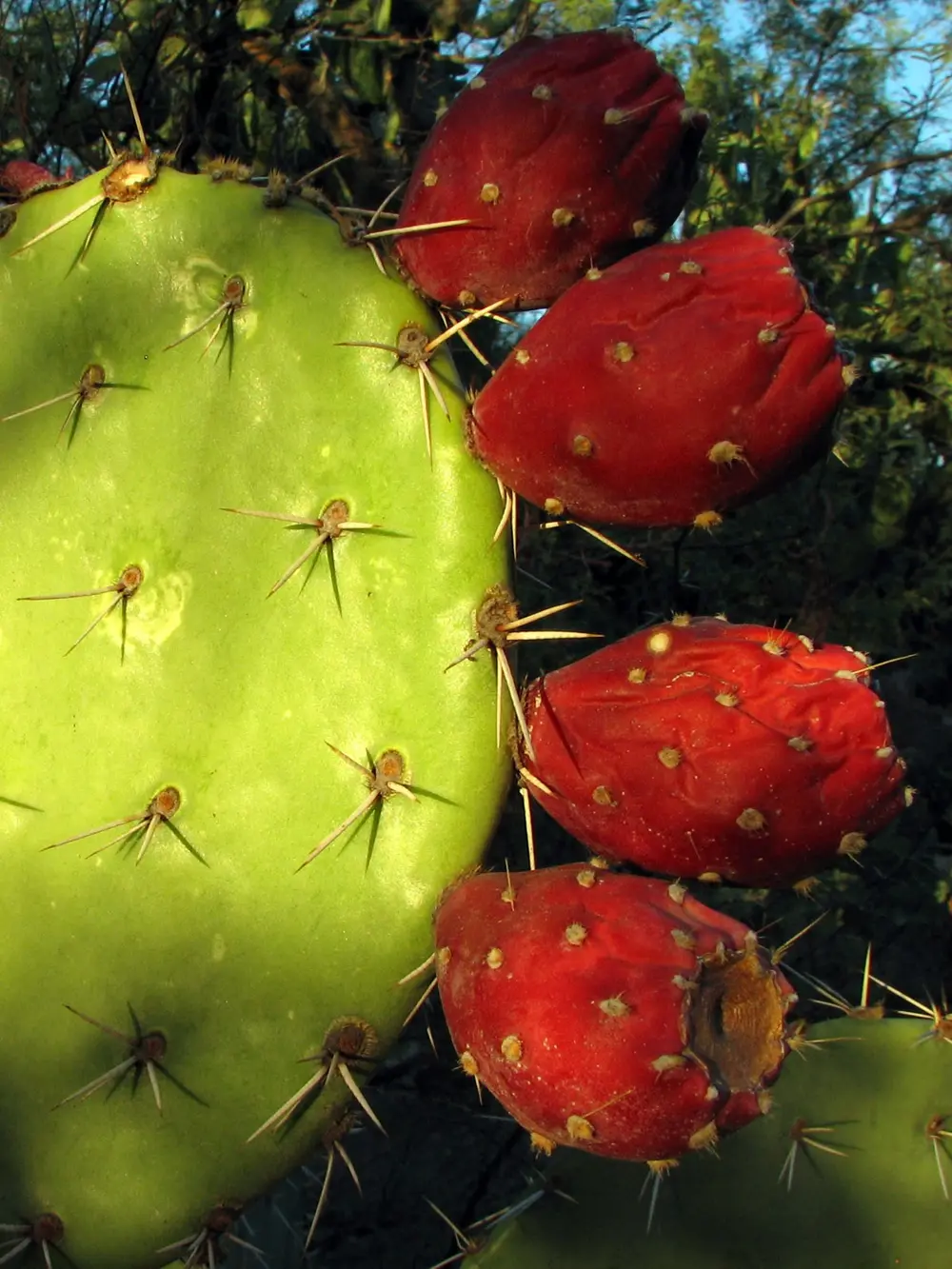
 Pack rats in the prickly pear? | Rodent Control in Tucson, ArizonaPack rats, mice and roof rats. One phone call, and you're talking to someone who knows Tucson rodents. 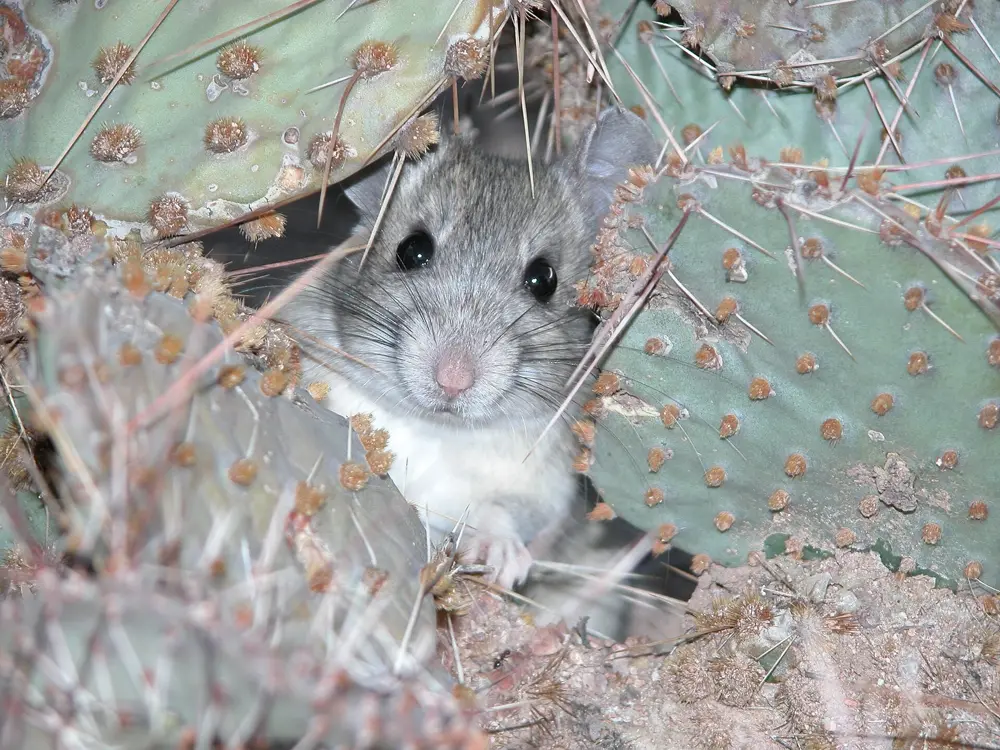 If you just moved here from back east, the first pack rat is a bit of a surprise. You walk out one morning and there's a pile of sticks and cholla joints under the prickly pear that wasn't there last month. Or the truck throws a check engine light and the mechanic pulls a nest out from behind the battery. Welcome to Tucson. Most desert rodents stay out in the creosote and the washes, and they're fine out there. A few decide your yard is nicer. The calls we get most are about pack rats around the house, rats nesting under the hood and mice in garages and casitas. Lately more of them come from midtown, where roof rats have found the citrus. So how does this work? You call, a real person listens, and we connect you with an independent, licensed pest control company that works your part of town. They come out, look the place over and quote the job. We don't run trucks ourselves and won't pretend to. Our About page has the longer version. Washes, cactus and carports: why Tucson rodents are their own thing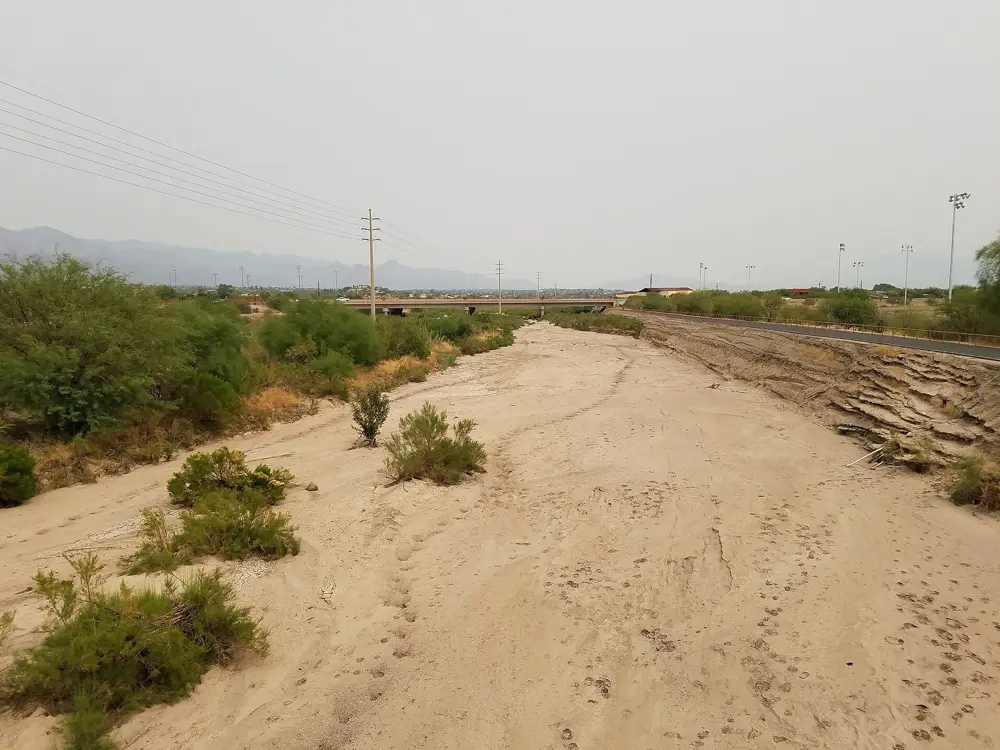 Look at a map and you'll see why. The city sits in a bowl between the Catalinas, the Rincons, the Santa Ritas and the Tucson Mountains, and dry washes run through it like veins. The Rillito, the Santa Cruz, Pantano Wash, Tanque Verde Wash, the Canada del Oro. Most of the year they're sand, mesquite and palo verde. That's home for the white-throated woodrat, the pack rat most of us end up meeting. A pack rat builds a midden: a heap of sticks, cactus joints, droppings and whatever shiny thing it swiped off your patio table, usually jammed into the base of a prickly pear or a cholla where the spines keep the coyotes out. They'll use the same spot for years. When one rat leaves, the next one moves right in, which is why people in the Catalina Foothills and out past Sabino Canyon Rd. on the east side end up calling about the same cactus bed every couple of years. Then there's the car thing. Half the houses in town have a carport instead of a closed garage, and a warm engine bay a few feet from the desert is just too good for a rat to pass up. Mechanics here pull nests out of air filter boxes all the time. Mice are their own story. House mice turn up in older midtown homes and in garages all over town. Deer mice live along the desert edge, in sheds and casitas out in Vail and Marana, and they're the ones Arizona health officials link to hantavirus. You clean up after them with a spray bottle and gloves, never a broom. Roof rats are the newcomers. Local news in 2023 covered a run of sightings in Sam Hughes and midtown, where old citrus trees and older roofs give them food and a way up. They climb, so you'll find them in attics and on fence tops, not in the cactus. And the house itself matters. A 1950s slab ranch with a carport, a flat-roofed territorial with parapets and scuppers, an adobe in the barrios and a stucco tract home in Rita Ranch all leak in different places, and a good tech knows which ones to check first.
Our Services
How We Work
A Tucson Year
Frequently Asked QuestionsIs a pack rat just a regular rat?Nope. A pack rat is a native woodrat with big ears, soft fur and a furry tail, and it builds stick piles. Roof rats are the slim, non-native kind with a bare, scaly tail that climbs your citrus. Different animals, different jobs. What's this going to cost me?Depends on the yard, how many middens there are, whether the car is involved and how much sealing the house needs. The tech quotes it after they've seen the place. Can I just tear the midden apart myself?You can, with thick gloves and a mask, after you wet it down so you're not breathing the dust. If the rat's still around, though, it'll probably rebuild a few feet away. Which parts of town do you cover?Pretty much the whole valley: the Foothills, Oro Valley, Marana, Casas Adobes, midtown, the east side, Rita Ranch, Vail, Sahuarita and Green Valley. Call and we'll check your street. |