Pack Rat Middens in Tucson Yards: How to Find and Clear Them
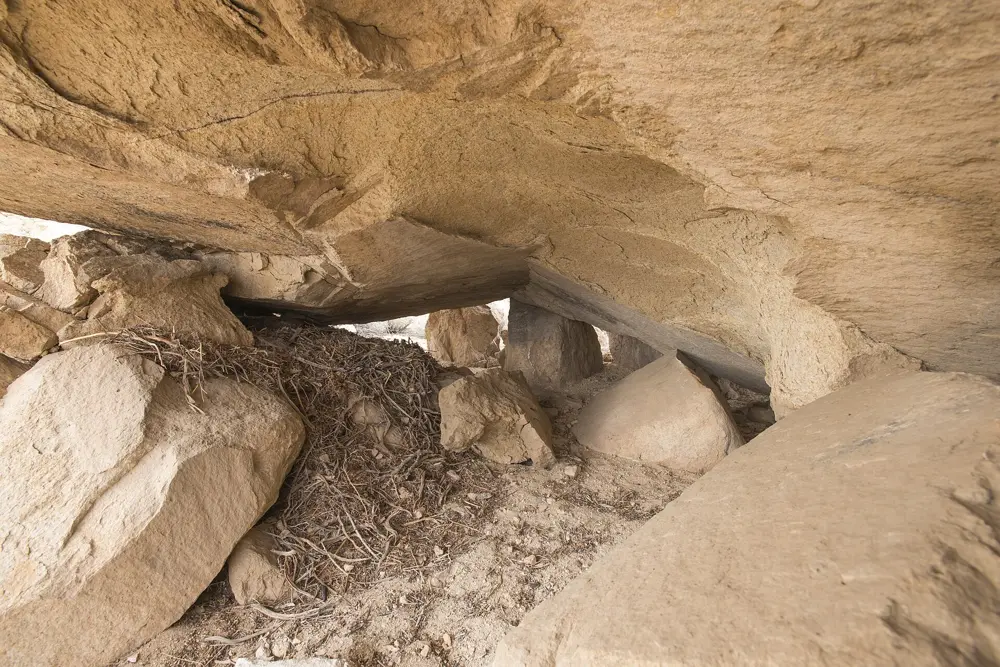
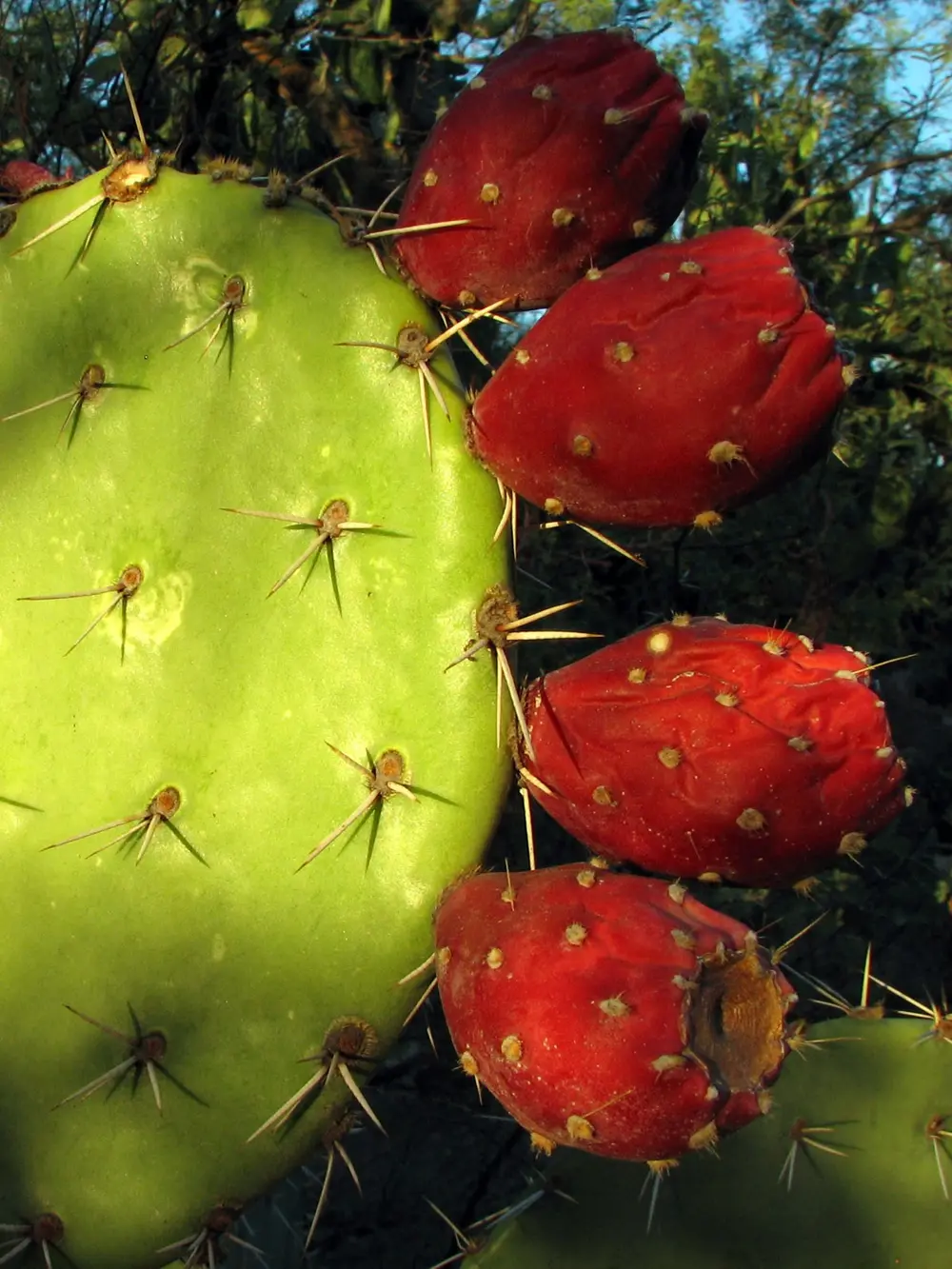
Live in Tucson long enough and you'll find one. A heap of sticks, cholla joints, mesquite pods and odd bits of trash jammed against the base of a prickly pear, or stuffed into a cholla where nothing with any sense would reach in. That's a pack rat midden. It means a white-throated woodrat has claimed the spot, and it probably isn't leaving on its own.
The short version: look under the cactus, under sheds and decks and in woodpiles. Get the rat out first. Then wet the pile down, bag it with gloves on, and change the spot so the next rat doesn't move in.
What's inside the pile
A midden can be a knee-high pile or something several feet across. The outside is a jumble of sticks and cactus pieces, and the spines are there on purpose. They keep coyotes, snakes and hawks out. Inside there's a nest chamber lined with soft stuff, plus a pantry of seeds, pods and cactus fruit.
Pack rats also collect things, which is how they got the name. Foil, bottle caps, screws, a missing earring, a chunk of the dog's toy. Middens show up at the base of prickly pear and cholla, under sheds and decks, in woodpiles and stored lumber, stuffed into gaps in block walls and retaining walls, and now and then in a grill or an engine bay. If cactus keeps landing on your car's engine, read up on pack rats in parked cars.
Live midden or old ruin?
Not every pile has a rat in it. A live one has green cactus pieces and fresh sticks on top, dark droppings nearby, maybe a worn path along the wall and chewed plants close by. An old one looks gray and flat, with brittle sticks. Go out at dusk. Pack rats come out at night, and you might catch one on the wall top or at the edge of the pile.
A good midden took a lot of work to build. It keeps the rat out of the heat and away from predators, so it's worth a lot to the next rat too. Pack rats mostly live alone, one to a pile, and when one dies or gets trapped, another often moves right in. That's how the same cactus bed ends up with a rat in it every couple of years. Big desert lots in the Foothills north of River Rd. and back walls in Vail see the cycle all the time. So do homes along the Rillito, Pantano Wash, Tanque Verde Wash and the Santa Cruz, and new subdivisions next to freshly graded lots in Marana.
Taking one apart without breathing it
Middens are full of droppings and urine, so don't kick one apart or hit it with a leaf blower. Make sure the rat is gone first, either trapped or no fresh material for several days. Put on thick gloves and a mask. Soak the pile with disinfectant and let it sit. Then pull it apart slowly, bag it, and wipe down anything nearby. The droppings cleanup guide covers the shed or patio where it sat, and a midden built inside a shed or casita may need a full cleanup.
Then make the spot less appealing. You don't have to tear out your cactus. Thin the pads that touch the house or walls, get the woodpile up off the ground and away from the house, clear the debris out from under sheds and decks, and close the gaps under the shed with hardware cloth. That last one is the step people skip, and sealing sheds and block walls is what keeps the next rat out.
If you've got more than one midden, the rat's getting into the garage, casita or car, or you've cleared one and it came back, that's the time to call about pack rat trapping and midden clearing. Tell us where the pile is and what you've seen.
Questions We Get
Can I just catch the pack rat and let it go somewhere else?
Rules on moving wildlife vary, and a relocated rat often doesn't make it or just finds its way back. Ask the tech what's legal.