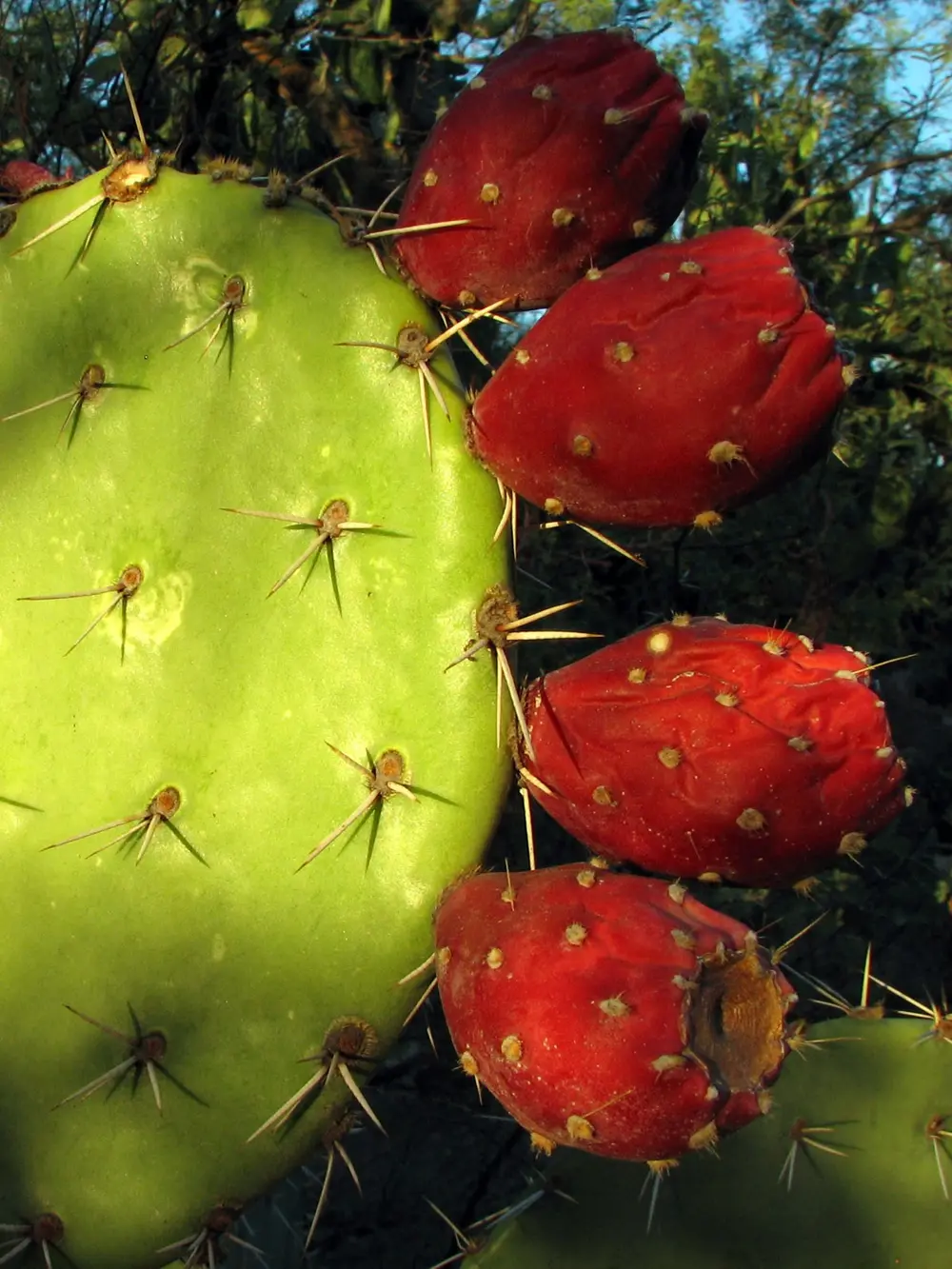
Pack Rat Removal and Control in Tucson
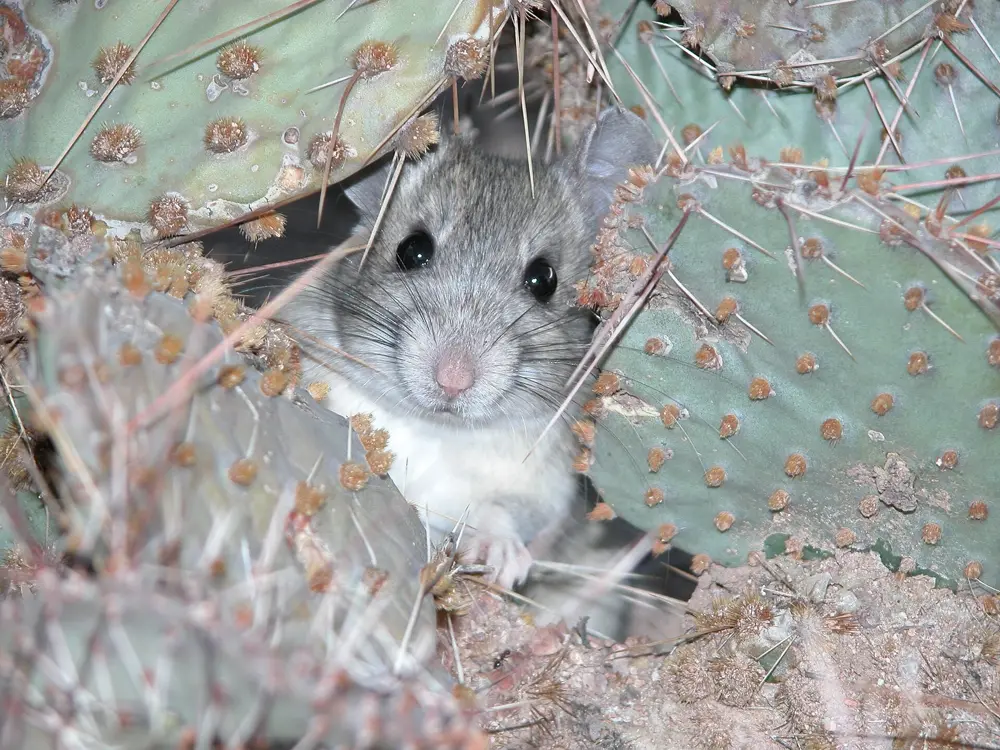
Ask anyone who's lived here a while and they've got a pack rat story. Ours is usually the white-throated woodrat: big round ears, soft gray-brown fur, a white throat and a furry tail. It's a native animal, not a sewer rat, and out in the open desert it minds its own business. The trouble starts when it decides the prickly pear by your back door is prime real estate.
What it builds there is a midden. Sticks, cactus joints, mesquite pods, droppings and whatever it carried off from your yard, all piled against the cactus so the spines guard the front door. It's one rat to a midden, as a rule. Trap that rat and leave the pile, and another one tends to move in within weeks. So pack rat work here means trapping, clearing the nest site and changing the yard a little. Our guide to finding a midden shows what you're looking for.
Is it really a pack rat?
Most people figure it out before they ever see the rat. Cactus pieces show up in odd places, like the patio, the garage floor, or sitting right on top of the engine. Small stuff goes missing and turns up later in a pile: foil, screws, a bottle cap, once in a while an earring. And you'll hear rustling under the shed after dark. The things to watch for:
- A heap of sticks and cactus joints at the base of a prickly pear or cholla
- Fresh green cactus pieces on the patio, in the garage or on the car engine
- Chewed drip lines or nibbled plants in the garden
- Dark, oblong droppings along a block wall or near the pile
- Scratching at night under a shed, deck or casita floor
What the tech does in your yard
Most visits start outside, walking the wall line. The technician checks the base of every big prickly pear and cholla, looks under sheds and decks, peeks into the garage and any casita, and sorts the live middens from the old gray ones. A live midden has green cactus and fresh sticks on top. A dead one is flat and brittle. If your car's been chewed, mention it on the call so they check where you park, since the rat in your engine almost always lives a short walk away.
Traps go out along the paths the rat runs at night. Bait, if it's used at all, goes in locked, tamper-resistant stations out of reach of dogs and kids. A follow-up visit or two checks the traps, and once the pile goes quiet it gets wetted down and hauled off. Then comes the part people skip: closing the gaps under sheds and in block walls. How long all this takes depends on how many middens you've got. One rat in one pile can be quick. A big lot near a wash with three or four active piles might take a few weeks.
| Got questions about what's living in your yard, attic or car? We're glad to talk it through. | (520) 231-7565 |
Keep the cactus, lose the rats
Nobody's asking you to rip out the prickly pear. But you can make the yard less of an invitation. Thin the pads that lean against the house. Get the firewood up off the ground and away from the walls. Clear the junk out from under the shed. Hardware cloth along the bottom of a shed, buried a few inches, stops them from digging under.
Some parts of town just get more of this. Big natural-desert lots in the Foothills keep cactus right up to the patio. Horse properties out in Tanque Verde have hay, barns and mesquite bosques along the washes. Newer homes in Vail back right onto Cienega Creek country. Even closer in, houses near the Rillito or Pantano Wash get rats traveling the banks at night and hopping the wall.
One thing not to do: scatter loose poison. A poisoned pack rat wanders off and gets eaten by somebody's dog or one of the owls and hawks that hunt the washes. And if a midden ends up inside a shed or casita, cleaning that space is a job of its own.
Questions We Get
Will the rats come back after they're trapped?
If the midden stays put, probably. A good site gets passed down from rat to rat. Clearing the pile and thinning the cover around it is what breaks that cycle.
Are pack rats protected in Arizona?
They're native wildlife, and rules on handling wildlife can change. Licensed techs know what's allowed in Pima County. Ask on the call if you're curious.
Do I have to be home for this?
Usually not for the outside work. They'll need into the garage or casita if the rats got in there.
Serving Catalina Foothills, Oro Valley, Marana, Tanque Verde and East Side, Midtown and Sam Hughes, Vail, Sahuarita and Green Valley, Rita Ranch, Casas Adobes, South Tucson and West Side.