Rodents in Your Car Engine in Tucson
Every mechanic in Tucson has pulled a pack rat nest out of an engine. It's that common. A car in a carport or out on the driveway, a desert yard a few feet away, a warm engine bay with plenty to chew. The rat climbs up through the wheel well at night, drags in sticks and cholla, and gets to work on the wiring, the hoses and the insulation under the hood.
You usually find out the hard way. A check engine light. A car that won't start after sitting a few days. A sour smell the first time you run the heater in November. RVs, boats, golf carts and ranch trucks that sit for weeks get it worst, and so does the car you left in the driveway while you spent July somewhere cooler.
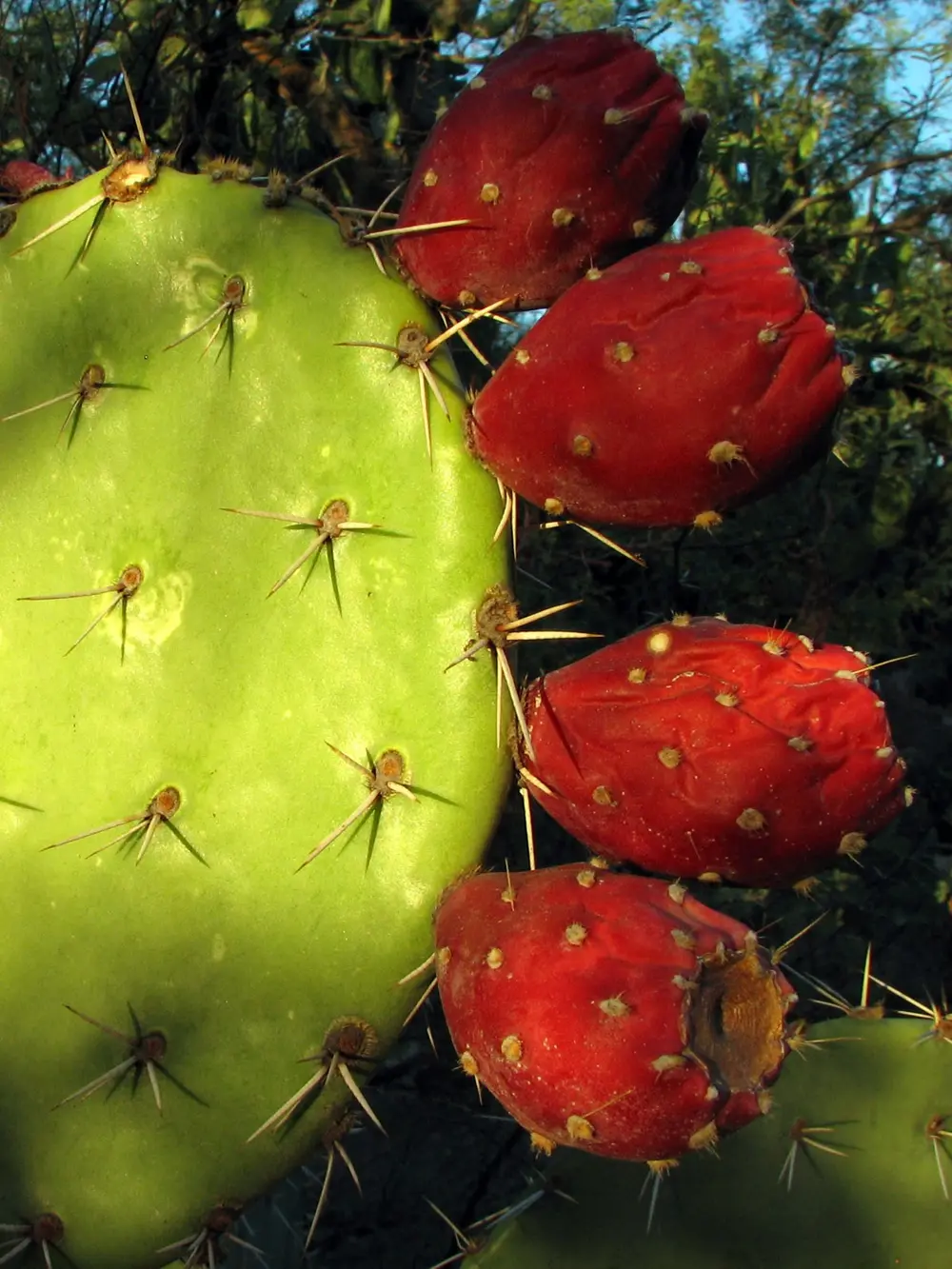
The rat isn't living in your engine, though. It's living in the prickly pear by the carport, or under the shed, and visiting at night. Your mechanic fixes the wires. The rodent part gets fixed out in the yard, most often by trapping out the pack rat nearby.
Pop the hood and look for this
Check the engine bay if the car's been sitting, or if a warning light came on out of nowhere. You're looking for:
If there's a nest, put on gloves, mist it with disinfectant so the dust stays down, and pull it out with paper towels into a bag. Don't hit it with compressed air or a leaf blower. Snap a few photos of any chewed wiring for your mechanic and your insurance company. Some comprehensive policies cover it and some don't, so it's worth a call to find out.
- Sticks, leaves or cactus joints piled on the engine cover or battery
- Chewed wires, hoses or shredded hood insulation
- Droppings on the engine or in the air filter box
- A musty smell when the fan runs
- A trail of debris on the carport floor under the car
Following the trail back from the carport
When the tech comes out, they start where you park. They look at the floor for debris, the wall for rub marks and droppings, then work outward to the nearest cover: a cactus bed, a woodpile, the gap under the shed. Our midden field guide helps you look before they get there. Traps go out between the nest and the car, and a follow-up visit checks them and clears the pile.
If you park in a garage, the next question is how the rat got in. Tucson sun cooks the rubber seal on the bottom of a garage door, and gaps open next to the tracks. If you can see daylight with the door shut, so can a rat. Garage sealing usually comes next.
| Got questions about what's living in your yard, attic or car? We're glad to talk it through. | (520) 231-7565 |
Ranch trucks, golf carts and the RV pad
Cars parked outside near natural desert get hit the most: long driveways in the Foothills, RV pads in Rita Ranch side yards, golf carts in Green Valley garages that sit from May to October. Out on east side acreage it's the ranch truck, the tractor and the horse trailer by the barn, and those places often do better with regular ranch and barn service than a single visit.
People ask about peppermint spray, under-hood lights, ultrasonic boxes and dryer sheets. Some swear by them. None of them do a thing about the rat living ten feet away, and sprays don't last long in our heat. Use them as extras if you like, keep sprays off hot engine parts, and deal with the nest. Our longer guide for car owners goes through the parking habits that help.
Questions We Get
Will the pest company fix my wiring?
No, that's a job for your mechanic or the dealer. The pest side is stopping the rat from coming back to the car.
Is it okay to keep using the car with a nest under the hood?
Better not. Nest material next to hot parts is a fire risk, and chewed wires cause strange problems. Pull the nest and get the car checked.
How long until they leave my car alone?
Once the nearby midden is trapped out and cleared, the visits usually stop. A lot with several middens can take a few weeks.
Serving Catalina Foothills, Oro Valley, Marana, Tanque Verde and East Side, Midtown and Sam Hughes, Vail, Sahuarita and Green Valley, Rita Ranch, Casas Adobes, South Tucson and West Side.