
Rodent Exclusion and Sealing in Tucson
Trapping deals with the rodents you've got. Sealing deals with the next ones. Skip it and you'll be making the same phone call next fall.
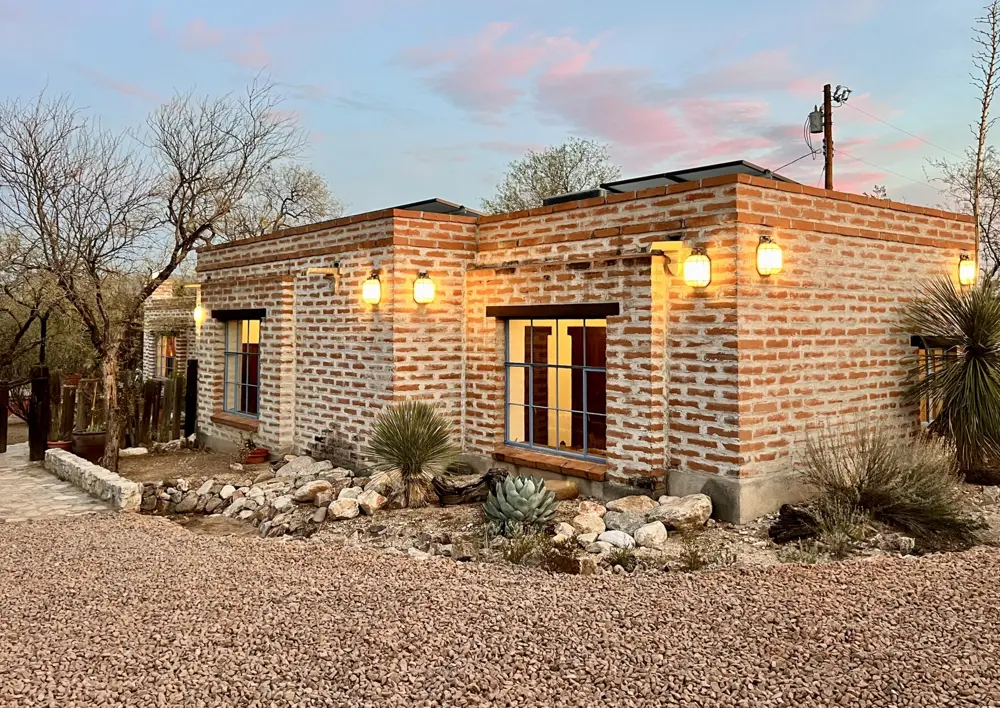
Every kind of Tucson house leaks in its own spots. The 1950s and 60s ranch homes have tired garage doors and old vent screens. Flat-roofed Pueblo Revival and territorial houses have parapets and scuppers that open up as they age. Adobes in the older west side and South Tucson barrios settle and crack. And the newer stucco tract homes on the east side and up in the northwest have pipe and AC line holes that nobody ever sealed right in the first place.
Daylight under the garage door
Stand in the garage with the door shut and the lights off. If you can see daylight along the bottom or the sides, a mouse can get in, and a rat isn't far behind. Other signs the house needs sealing:
The gaps that come up most are the garage door seal and the side gaps by the tracks, plumbing and AC openings through stucco, roof vents and parapet gaps, and dryer vents or range hoods without a decent flap. Casita, shed and laundry room doors are right behind those. Monsoon wind and hail can tear vent screens too, so take a look up at the roof after a big storm.
- Rodents came back a few weeks after the last round of trapping
- Gnaw marks where pipes go into the wall
- Torn or missing screens on attic or roof vents
- A gap at the base of a block wall or under a casita door
Trap first, then seal
Most techs walk the outside of the house and every outbuilding, from the slab to the roof. They look for gnaw marks, rub marks, droppings near openings and torn screens. On a flat roof they check the parapets. Inside, they look at the garage, the water heater closet and anywhere a pipe comes through.
The order matters. Seal a house with mice still inside and you've shut them in the walls, which nobody wants in August. So the usual plan is trapping out the mice or clearing the pack rats in the yard first, then closing up.
Materials matter too. Our sun eats cheap foam and plastic in a summer or two, and rodents chew through foam anyway. Techs here lean on hardware cloth, metal flashing, copper mesh and sealants that can take the heat. Weep holes shouldn't be filled solid, since they let water out. They get screens or inserts instead.
| Got questions about what's living in your yard, attic or car? We're glad to talk it through. | (520) 231-7565 |
Old adobes, tile roofs and five-acre lots
If your home is adobe or historic, say so on the call. Sealing an old adobe takes a lighter hand and the right materials so you don't damage the walls. Midtown homes from the 1920s through the 1950s have old roof vents and settled door frames, which is how roof rats in midtown reach the attic. Newer homes in places like Rancho Vistoso in Oro Valley are usually about the garage door, the AC line and the gap under the side gate.
Acreage means more buildings: casitas, sheds, workshops, barns. A pack rat in the shed is a short trip from the house, so each one counts. Hardware cloth along the bottom of a shed, buried a few inches, keeps them from digging under. You can handle small stuff yourself, like stuffing a pipe gap with copper mesh and caulking over it or putting on a new door sweep. Anything on a ladder or a roof, leave to the tech. For roof gaps tied to climbing rats, see roof rat control.
Questions We Get
Should my weep holes be sealed shut?
No. They let water drain. A tech can cover them with screens or inserts that let water out and keep rodents out.
How small a gap can a mouse get through?
About the width of a pencil. Rats need a little more, around half an inch. On an older home, those add up fast.
Serving Catalina Foothills, Oro Valley, Marana, Tanque Verde and East Side, Midtown and Sam Hughes, Vail, Sahuarita and Green Valley, Rita Ranch, Casas Adobes, South Tucson and West Side.