How to Keep Pack Rats Out of Your Car in Tucson
If you park in a carport or on the driveway in Tucson, sooner or later a pack rat is going to look at your engine bay and decide it's a pretty good spot. They climb up through the wheel wells, drag in sticks and cholla, and chew on wires, hoses and the insulation under the hood. Ask any mechanic in town.
What actually works is getting rid of the nest that's close to where you park. Using the car often, parking in a sealed garage and keeping cactus, woodpiles and pet food away from the carport all help. Sprays and gadgets help a little, at best.
Did something get under the hood?
Check the engine bay if the car's been sitting, or if a warning light pops on out of nowhere. Look for sticks, leaves or cactus joints on the engine cover or battery, chewed wires or hoses, droppings in the engine bay or air filter box, and a trail of debris on the carport floor under the car. A sour smell when the heater or AC runs is another tip-off.
If there's a nest, open the doors and let the car air out for about 20 minutes, then glove up and put on a mask. Mist the nest with disinfectant so the dust stays down, pull it out by hand or with paper towels, and bag it. No compressed air, no leaf blower. Wipe the spot with disinfectant. If droppings got into the cabin air filter or the air box, have the filter replaced. Take photos of chewed wiring for your mechanic and your insurance company, and get the car checked before you count on it, since chewed wires cause strange electrical problems. The full CDC steps are in our droppings cleanup guide.
The rat lives next door to your car
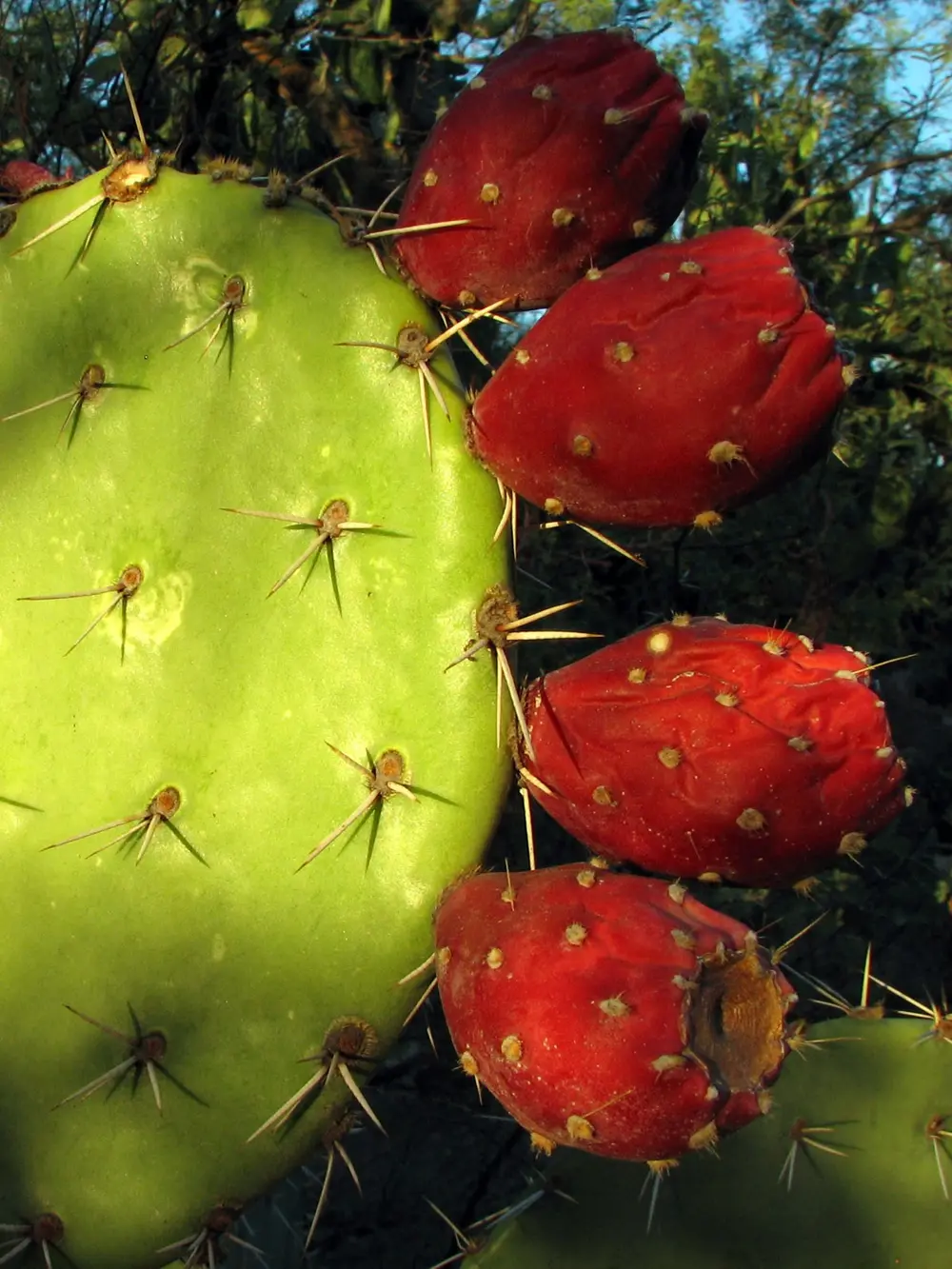
Cars keep getting hit because there's a midden nearby. The rat doesn't live in your engine. It lives in the prickly pear by the carport, under the shed or in the woodpile, and it visits the car at night. Learn how to spot a midden near the carport, then call about vehicle rodent damage. The tech looks at where you park, finds the nest, sets traps, and usually clears the midden once it's quiet.
A garage only helps if rodents can't get in. Tucson sun dries out the rubber seal at the bottom of the door, and gaps open beside the tracks. Stand inside with the door shut. If you see daylight, a rat can get in. Replacing that seal is part of garage sealing.
Long summers and stored rigs
None of these is a cure on its own, but together they make your car a worse target. Use the car often, since rats go for vehicles that sit. Keep cactus, woodpiles and debris away from the carport. Keep pet food, birdseed and trash out of the garage. Leave a light on in the carport at night. And when you're traveling, have someone pop the hood once a week. If you've got two cars and one mostly sits, swap which one lives closest to the cactus. The one that sits is the one they pick.
Summer is the bad stretch, since a lot of Tucson heads somewhere cooler and the cars stay behind. RVs, boats, golf carts and ranch trucks that sit for weeks are the easiest targets. Store them on a clean pad away from cactus and brush. Side yards against a block wall, like a lot of them in Rita Ranch, are worth having checked. Golf carts in Green Valley sit all summer, and ranch trucks on east side acreage sit for weeks too.
As for peppermint spray, under-hood lights, ultrasonic boxes and dryer sheets: some people swear by them. None of them do anything about the rat living a few feet away, and the sprays fade fast in our heat. They're fine as extras. Just keep sprays off hot engine parts.
Questions We Get
Will my insurance cover chewed wires?
Some comprehensive policies do. Call your insurer, and keep photos of the damage and the nest.